



Why Cloud Computing Is No Longer Optional for Businesses
In today’s fast-paced digital world, cloud computing has become a cornerstone of business success. From startups to multinational corporations, businesses are leveraging the cloud to streamline operations, enhance scalability, and improve security. The shift to cloud-based solutions is no longer a luxury—it’s a necessity. This blog post explores why cloud computing is indispensable for businesses and how it can transform your operations.
Table of Contents
The Evolution of Cloud Computing
Cloud computing has come a long way since its inception. Initially seen as a tool for tech giants, it has now become accessible to businesses of all sizes. The rise of remote work, data-driven decision-making, and the need for cost-effective solutions have accelerated its adoption. Today, cloud computing is not just about storage; it’s about enabling innovation and agility.
Image Suggestion:
A timeline graphic showing the evolution of cloud computing from the 2000s to the present. Include milestones like the introduction of AWS (2006), the rise of SaaS platforms, and the adoption of hybrid cloud solutions.

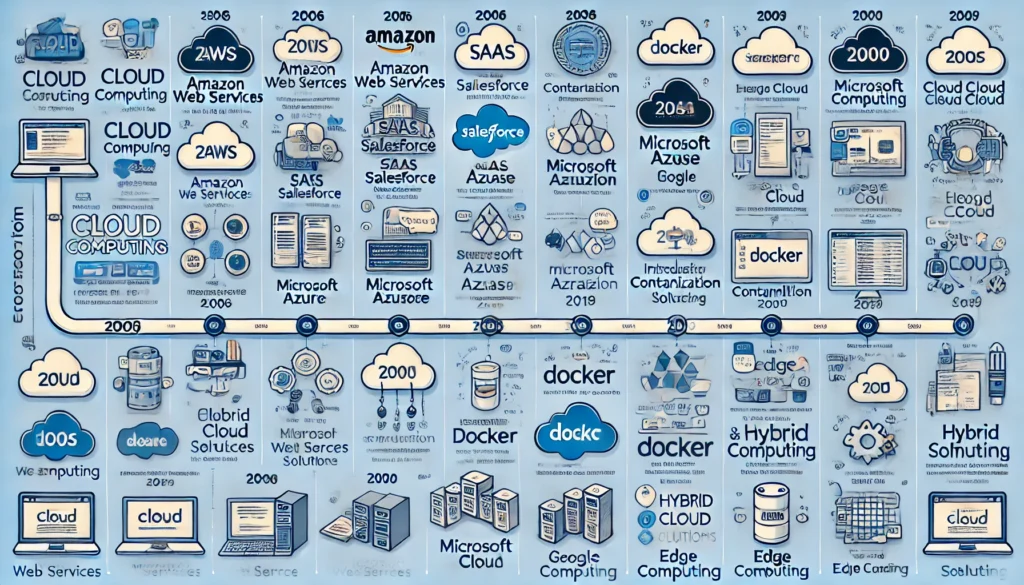
Here’s a table outlining the evolution of cloud computing from the 2000s to the present:
| Year | Milestone | Description |
|---|---|---|
| 2002 | Amazon Web Services (AWS) Beta Launch | AWS introduces web-based services like storage and computation. |
| 2006 | Official Launch of AWS | AWS launches S3 (Simple Storage Service) and EC2 (Elastic Compute Cloud). |
| 2007 | Rise of SaaS Platforms | SaaS platforms like Salesforce gain popularity, shifting software to the cloud. |
| 2008 | Google App Engine Launch | Google enters the cloud space with a platform for building and hosting apps. |
| 2010 | Microsoft Azure Launch | Microsoft introduces Azure, becoming a major cloud competitor. |
| 2013 | Docker Introduced | Docker brings containerization to cloud computing, simplifying app deployment. |
| 2014 | Hybrid Cloud Adoption | Businesses begin combining private and public clouds for flexibility. |
| 2015 | Serverless Computing Emerges | AWS Lambda introduces serverless computing, allowing event-driven programming. |
| 2017 | Edge Computing Gains Traction | Focus shifts to processing data closer to the source with edge computing. |
| 2020 | Multi-Cloud Strategies | Companies adopt multi-cloud environments to avoid vendor lock-in. |
| 2022 | Cloud-Native and AI Integration | Cloud-native architectures and AI integration become standard in cloud services. |
| Present | Expansion of Cloud Services | Growth in cloud services like machine learning, IoT, and advanced security. |


Key Benefits of Cloud Computing for Businesses
1. Cost Efficiency
One of the most compelling reasons to adopt cloud computing is its cost-effectiveness. Traditional IT infrastructure requires significant upfront investment in hardware and software. With cloud computing, businesses can opt for a pay-as-you-go model, reducing capital expenditure and operational costs.
2. Scalability and Flexibility
Cloud computing allows businesses to scale resources up or down based on demand. Whether you’re experiencing a surge in traffic or launching a new product, the cloud ensures you have the resources you need without overcommitting.
3. Enhanced Security
Contrary to common misconceptions, cloud computing offers robust security features. Providers invest heavily in encryption, firewalls, and compliance certifications to protect your data. This level of security is often beyond the reach of small and medium-sized businesses.
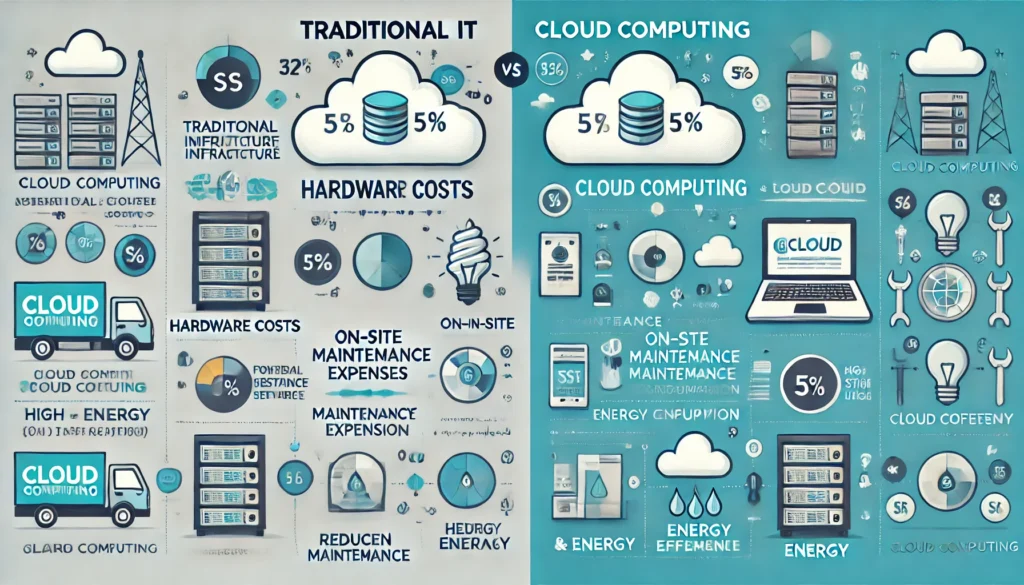

Here’s a comparison table illustrating the cost differences between traditional IT infrastructure and cloud computing:
| Category | Traditional IT Infrastructure | Cloud Computing | Savings |
|---|---|---|---|
| Hardware Costs | High initial investment in servers, storage, and networking gear | Pay-as-you-go model eliminates large upfront hardware costs | Significant reduction in capital expenses |
| Maintenance | Ongoing costs for IT staff, upgrades, and troubleshooting | Maintenance managed by cloud providers | Lower operational costs |
| Energy Consumption | High power usage for servers and cooling systems | More energy-efficient data centers managed by providers | Reduced energy bills |
| Scalability | Costly and slow to scale up or down | Instantly scalable based on demand without extra costs | Flexible and cost-effective scaling |
| Software Updates | Manual updates requiring time and resources | Automatic updates managed by cloud providers | Saves time and reduces labor costs |
| Downtime Costs | Potential high costs due to hardware failures | High availability and redundancy minimize downtime | Less revenue loss from downtime |
Why Cloud Computing Is Essential for Modern Businesses
1. Supporting Remote Work
The COVID-19 pandemic highlighted the importance of remote work capabilities. Cloud computing enables employees to access data and applications from anywhere, ensuring business continuity.
2. Driving Innovation
Cloud platforms provide access to cutting-edge technologies like artificial intelligence (AI), machine learning (ML), and big data analytics. These tools empower businesses to innovate and stay competitive.
3. Improving Collaboration
Cloud-based tools like Google Workspace and Microsoft 365 facilitate seamless collaboration among teams, regardless of their location.

Industries Leveraging Cloud Computing
1. Healthcare
Cloud computing enables healthcare providers to store and analyze patient data securely, improving diagnosis and treatment outcomes.
2. Retail
Retailers use the cloud to manage inventory, personalize customer experiences, and optimize supply chains.
3. Finance
Financial institutions rely on the cloud for fraud detection, risk management, and customer service.


Challenges of Cloud Adoption and How to Overcome Them
1. Data Privacy Concerns
While cloud providers offer robust security, businesses must ensure compliance with data protection regulations like GDPR and CCPA.
2. Migration Complexity
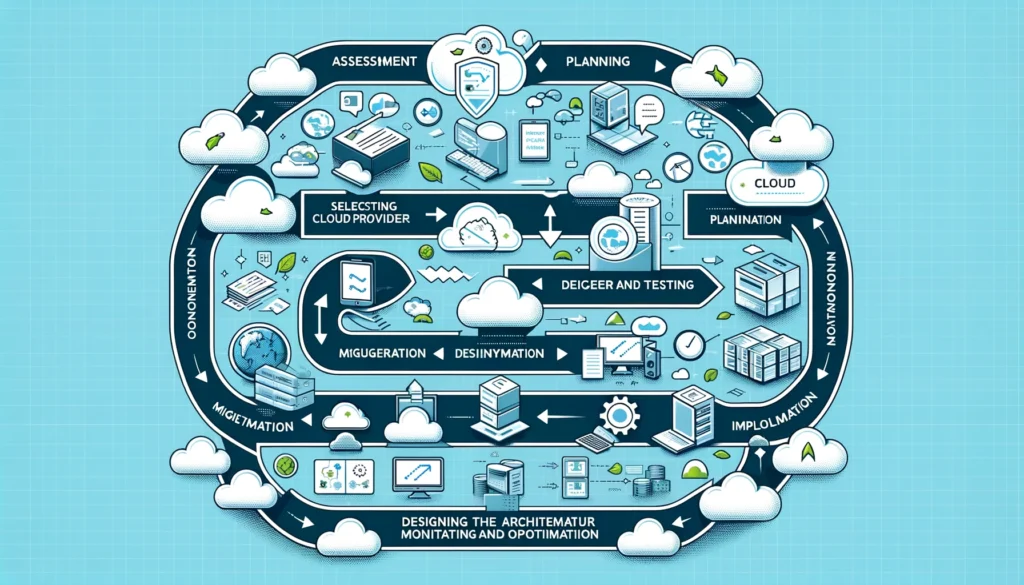
Moving to the cloud can be challenging, especially for businesses with legacy systems. Partnering with experienced cloud consultants can simplify the process.
3. Downtime Risks
Although rare, cloud outages can disrupt operations. Implementing a hybrid cloud strategy can mitigate this risk.
The Future of Cloud Computing
The future of cloud computing is bright, with advancements in edge computing, serverless architecture, and quantum computing. Businesses that embrace these technologies will gain a competitive edge.
For more insights on the future of cloud computing, check out this Gartner report.
Conclusion
Why Cloud Computing Is No Longer Optional for Businesses
In today’s digital-first world, cloud computing has transformed from a cutting-edge innovation to a business necessity. As we’ve explored, the benefits of cloud computing—cost efficiency, scalability, enhanced security, and support for remote work—are too significant to ignore. Businesses that embrace the cloud are better positioned to innovate, compete, and thrive in an increasingly competitive landscape.
The data speaks for itself: according to a Flexera 2023 State of the Cloud Report, 94% of enterprises now use cloud services, and 60% of workloads are expected to run in the cloud by 2025. These statistics underscore why cloud computing is no longer optional for businesses aiming to stay relevant and future ready.
Whether you’re a small business looking to reduce IT costs or a large enterprise seeking to leverage AI and big data, the cloud offers solutions tailored to your needs. The question isn’t if you should adopt cloud computing but how soon you can make the transition.
Call-to-Action (CTA):
Ready to take your business to the next level? Start your cloud journey today by exploring Google Cloud’s solutions or Microsoft Azure’s offerings. Share your thoughts in the comments below—how has cloud computing impacted your business? Don’t forget to share this post with your network and subscribe for more insights on digital transformation and business growth.
Remember, the future belongs to those who innovate. Embrace the cloud and unlock your business’s full potential. [TechGeniuxio.com]
-

Google Pixel 9 Pro Review: AI Features, Camera Quality, and Daily Use Experience
Sharing articles Facebook Twitter Pinterest LinkedIn Google Pixel 9 Pro Review: AI Features, Camera Quality, and Daily Use Experience is the ultimate guide. This comprehensive review explores every angle of the Pixel 9 Pro, from its cutting-edge artificial intelligence capabilities to its powerful camera system and everyday performance. Our aim is to go beyond basic
-

Best Budget Smartphones Under $500 in the USA (2026 Buyer’s Guide)
Sharing articles Facebook Twitter Pinterest LinkedIn Best budget smartphones under $500 in the USA have reached a level in 2026 where buyers no longer need to compromise on performance, camera quality, or long-term software support. What was once considered “mid-range” is now powerful enough for everyday users, content creators, students, and even light mobile gamers
-

Samsung Galaxy S25 Ultra Review: Battery Life, Camera Comparison, and Real-World Performance
The Samsung Galaxy S25 Ultra marks another bold entry in Samsung’s flagship lineup, combining powerful performance, advanced cameras, and long battery life into one premium package that many reviewers are calling a must-have for Android enthusiasts. This review dives deep into key areas like battery endurance, camera capabilities, and real-world performance—offering a comprehensive look at


